The Rule of Thirds in composition of an image creates interest, deletes boredom and adds life to an image.
The feature image is Wilyabrup Sea Cliffs, near Margaret River on Western Australia’s coast is perfect example of dividing an image into thirds. The cliffs fill the entire left third of the image and move across to fill the bottom third. The ocean fills the centre third and shares the top right third with the sky.
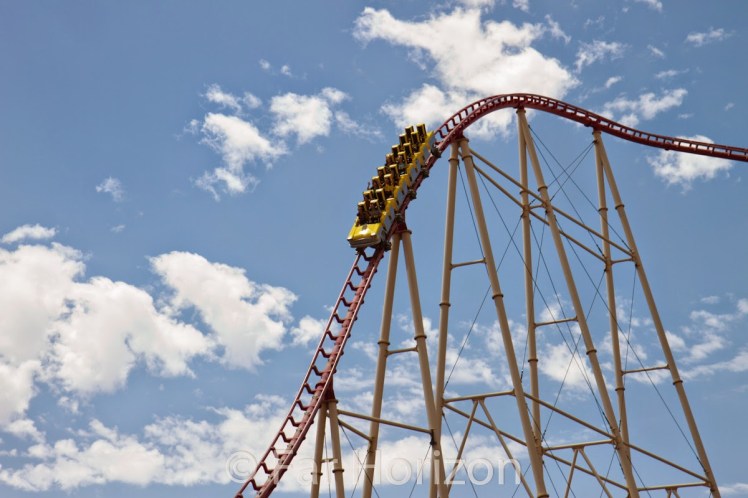
The roller coaster image below crosses the top third corner and travels through the middle third of the image and the line of the rail finishes in the bottom left corner, filling the bottom right two thirds of the image with interest and by leaving the top left two thirds of the image without a subject creates a feeling of space and magnitude.
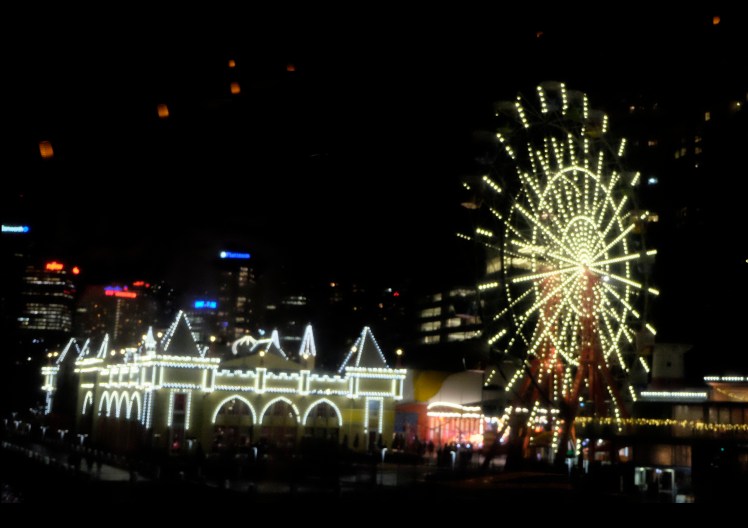
The Rule of Thirds composition stands out in the image below of Luna Park Ferris Wheel and buildings. The Ferris Wheel fills the right third from top to bottom of the image and is the stand out feature. The buildings in the bottom left two thirds create interest but are not nearly as dominant a feature as the Ferris Wheel. While the top left two thirds are left blank with only a few reflections of light appearing on the lens.
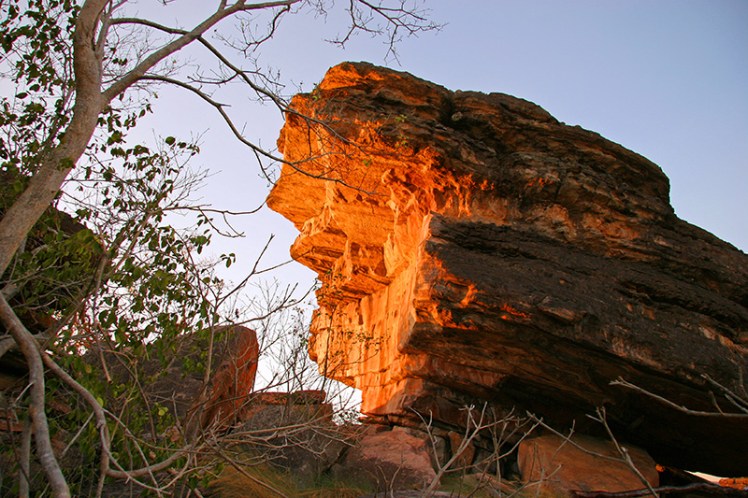
The image below of rock formation in Kakadu National Park, with the rock filling the entire right two thirds of the image from top to bottom. This portrays the dominance of the rock on the surrounding landscape. The left third has only a small bush for interest and is dwarfed by the rock.
The rule of thirds in composition sometimes is difficult to find. In the image below the Hoodoo landscape formation fill the middle third. The left third is filled with lime green pine trees. In the centre top and top right thirds we see a pine forest and the middle right third features the river and its sand banks. I could have zoomed into the Hoodoo feature, making them look huge, but by including the surrounding landscape, gives a sense of space and reveals the real size of them.

 far'n'wide travel